1. Why is the first visit to a paediatric dentist important?
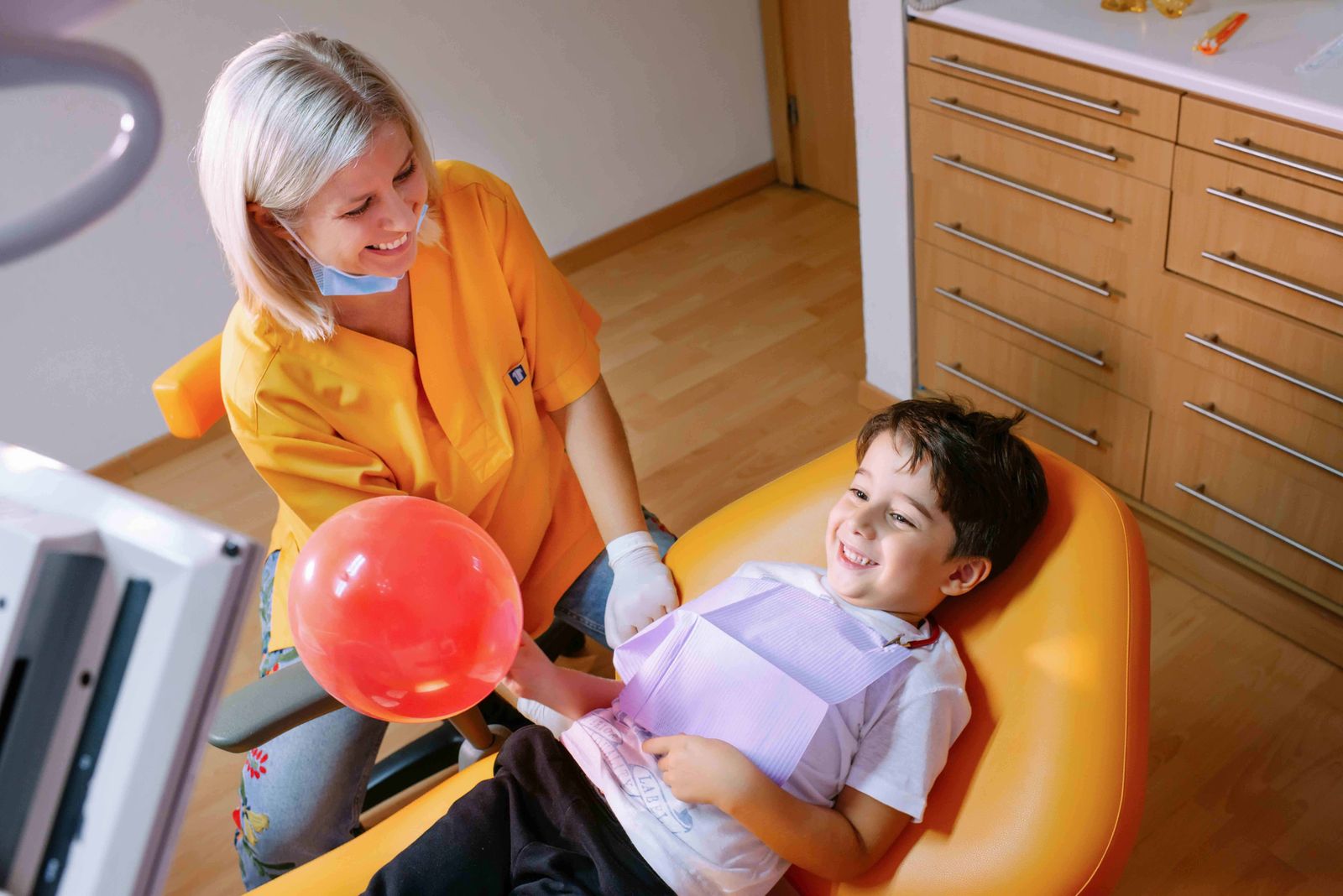
The first visit to a paediatric dentist is a crucial step for a child’s long-term dental health. It is an opportunity to establish the foundations of proper oral care and create a positive experience that will strengthen the child’s trust in the dentist.
This visit helps identify potential problems early, including tooth decay or poor tooth alignment, and gives parents useful advice on caring for their child’s teeth at home. At the same time, it is an opportunity for the child to become familiar with the dental environment and let go of any fears and anxieties they may have.
2. When should the first visit take place?
The recommended time for a child’s first visit to a paediatric dentist is when the first tooth appears or before the age of one. This may seem early, but it is extremely important for preventing tooth decay and securing healthy teeth.
Early visits allow the paediatric dentist to check the development and alignment of the teeth, while parents receive advice about diet, correct brushing and habits that may affect the child’s oral health, such as dummy use. An early visit prevents problems before they become serious and supports good oral health from the beginning.
3. What does the first visit include?
The first visit to the paediatric dentist is simple and designed to be pleasant for the child. It usually includes:
- A welcome and familiarisation: The paediatric dentist introduces herself to the child in a friendly way and explains what will happen. The child can explore the space to feel comfortable.
- An examination of the teeth and gums: The dentist checks the condition and alignment of the teeth and the health of the gums. If necessary, the child is assessed for tooth decay or other possible concerns.
- Information for parents: The paediatric dentist discusses the development of the child’s teeth with the parents and offers practical advice on caring for them.
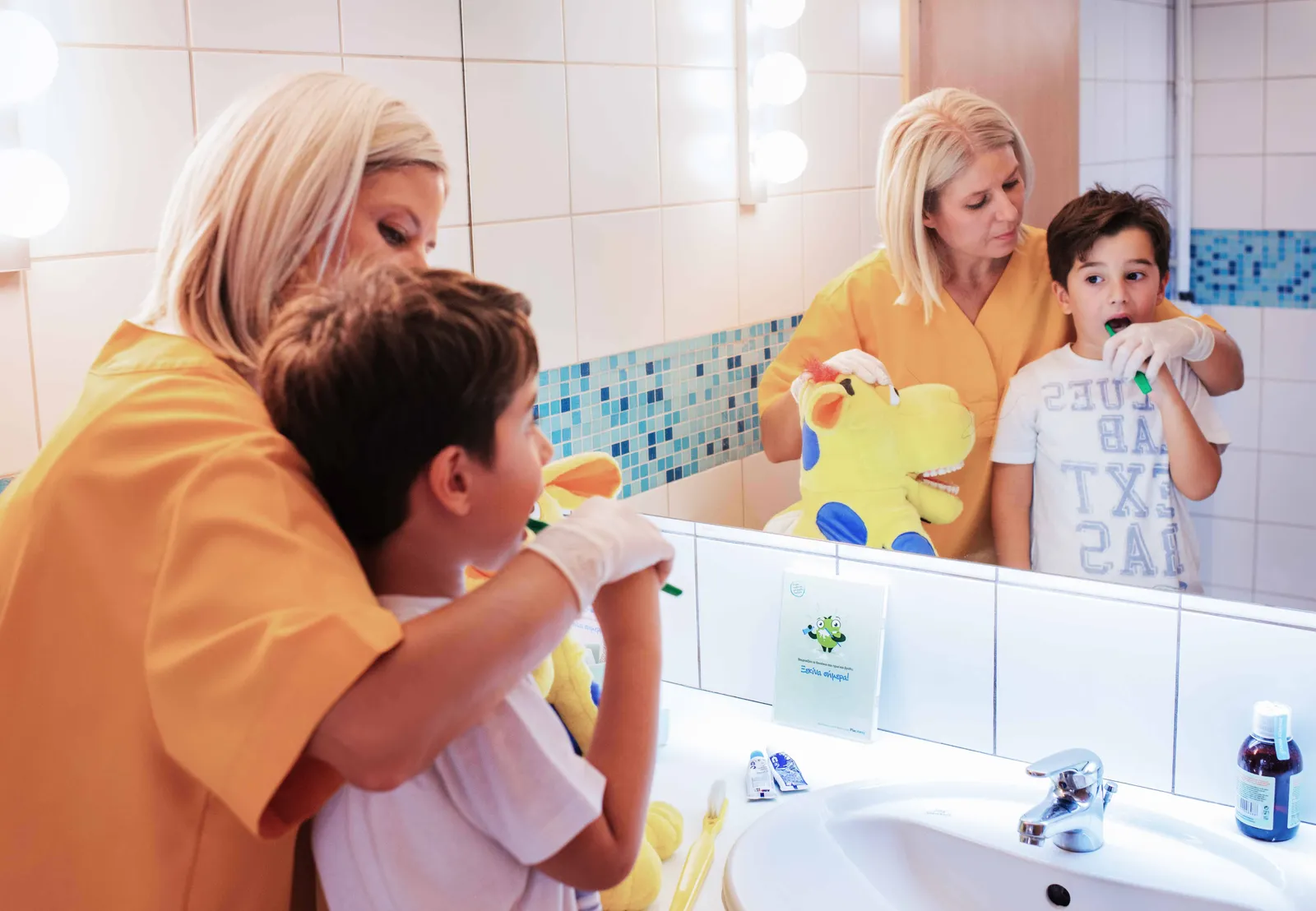
- Education about proper oral care: Parents learn how to clean their child’s teeth and what to watch for in the child’s diet.
The first visit is an opportunity for the child to develop a positive relationship with dental care and feel that the paediatric dentist is an ally for their smile.
.C2Poebnm_XghoL.webp)
4. How can you prepare your child for the first visit?
The right preparation can make the first visit to the paediatric dentist a pleasant experience for your child. Here are some useful tips:
- Speak positively about the paediatric dentist: Explain that the dentist is a friend who will help keep their teeth strong and healthy. Avoid words such as “pain” or “needle”, which may cause anxiety.
- Use stories or games: Read books about dentists or role-play at home, letting the child be the “dentist” and examine your teeth. This can help familiarise them with the process.
- Choose a suitable appointment time: Make sure your child is rested and calm, avoiding times when they are likely to feel tired or hungry.
- Explain what will happen: Talk to your child about the basics of the visit, such as the paediatric dentist “counting” their teeth.
Positive preparation can reduce anxiety and help the child feel comfortable during their first contact with the paediatric dentist.
Table: What to say and what to avoid (Do’s & Don’ts)
| YES ✅ | NO ❌ |
|---|---|
| “We are going to count your teeth” | “It will not hurt” (the child hears the word “hurt”) |
| “The dentist will see how strong they are” | “If you are not good, she will give you an injection” |
| “There will be some lovely toys” | Words such as “needle”, “drill” and “blood” |
| Play dentist at home | Show your own anxiety |
5. Which topics are discussed during the first visit?
The first visit is an excellent opportunity for parents to receive valuable advice about caring for their child’s teeth. The paediatric dentist may discuss topics including:
- Oral hygiene: How to clean the child’s teeth correctly, even from infancy.
- Diet: Which foods promote dental health and which should be avoided to prevent tooth decay.
- Habits that affect the teeth: The paediatric dentist can offer advice about dummy use, thumb-sucking or other habits that may affect dental development.
- Planning a care programme: A discussion about when to schedule the next visit and what to expect as the child’s teeth develop.
The discussion is personalised and gives parents practical information that will help them care for their child’s teeth more effectively.
6. Our approach at our children’s dental clinic in Glyfada
At our clinic, the first visit is designed to be a pleasant experience for the child and their parents. We create a friendly, warm environment in which the child feels comfortable and safe.
During this first contact, we place particular emphasis on familiarising the child with the space and the instruments, making the process enjoyable and relaxing. We use child-friendly language, explain every step simply and ensure the process is as pleasant as possible.
For us, the first visit is the beginning of a relationship of trust. We focus on prevention, informing parents and strengthening the child’s positive view of oral care. With this approach, we lay the foundations for healthy, happy smiles.
8. The value of the first visit for oral health
The first visit to a paediatric dentist is more than a simple examination. It is the beginning of a healthy relationship between the child and oral care, laying the foundations for healthy habits that will last a lifetime.
Through this visit, the child becomes familiar with the paediatric dentist and understands that caring for their teeth is important and pleasant. Parents receive valuable advice about proper care for their child’s teeth, while possible future problems are prevented at the same time.
9. Book an appointment with us today
At our clinic, the first visit is an experience of care and affection for children. Our specialist team is here to ensure that your child feels comfortable and safe, creating a positive environment that encourages dental health.
Call us today to arrange your child’s first visit. We are here to answer your questions, guide you and help your child begin their journey towards a healthy, bright smile.