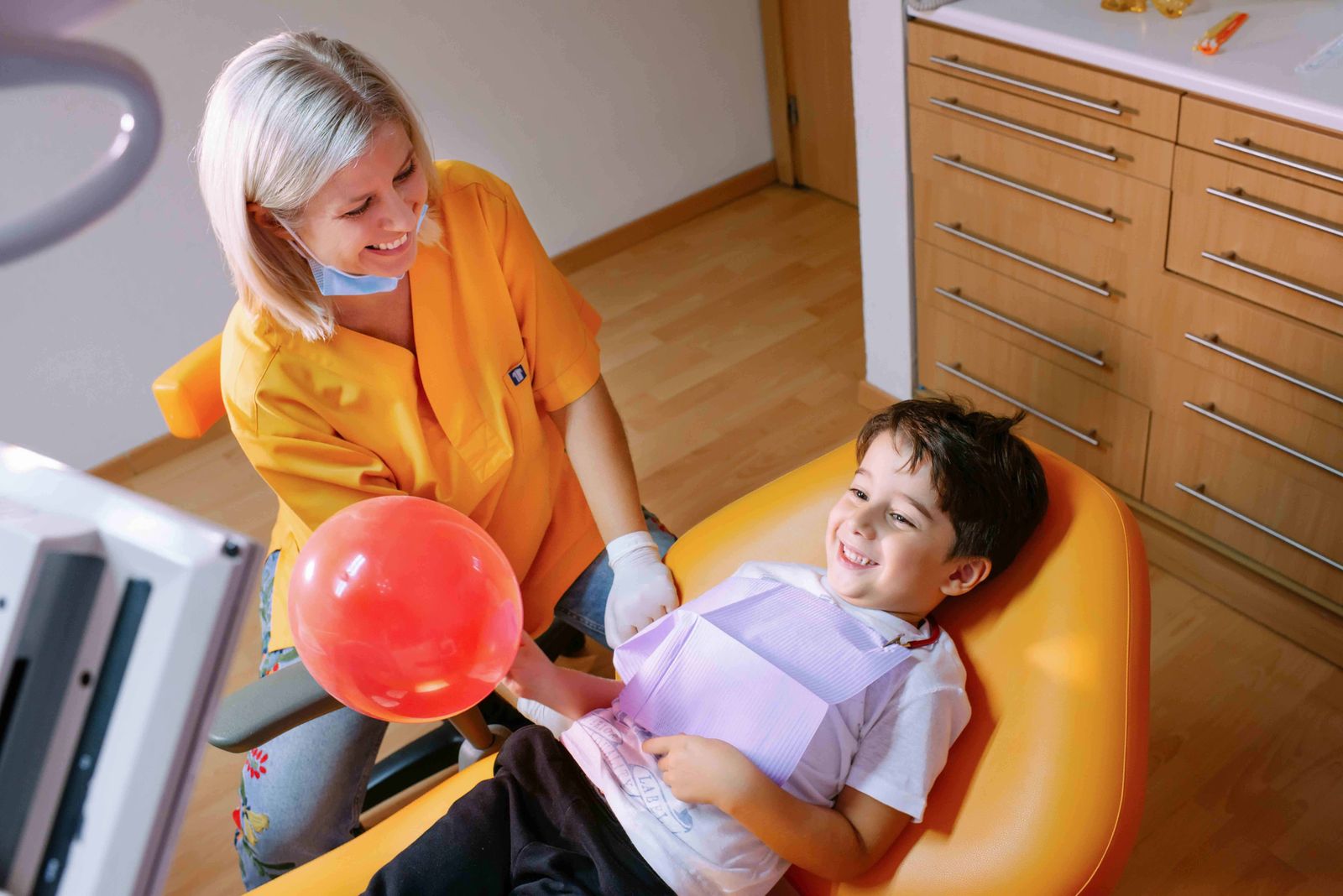
1. What is electronic anaesthesia?
Electronic anaesthesia is a modern method used to numb specific areas of the mouth painlessly before dental treatment. Instead of conventional injections, this method uses a high-precision device that delivers anaesthetic at a controlled pressure and rate.
The difference with electronic anaesthesia lies in the use of advanced technology that ensures the anaesthetic is delivered gradually and precisely where it is needed, without a sensation of pain or discomfort. It is ideal for children because it reduces the anxiety often associated with dental procedures.
2. What are the advantages of electronic anaesthesia?
Electronic anaesthesia offers many advantages that make it an ideal choice for children and adults:
- A painless experience: The anaesthetic is delivered so slowly and in such a controlled manner that the child does not feel pain, dramatically reducing anxiety.
- Precision: The anaesthetic is delivered only where it is needed, without affecting other areas of the mouth.
- Faster recovery: Because the anaesthesia is limited to specific areas, the numbness lasts for less time, allowing the child to return to their activities sooner.
- Child-friendly: The absence of a needle and use of a small, discreet device make the process less frightening for children.
These features strengthen the child’s trust in the dentist and make treatment a positive experience.
Table: Conventional injection vs electronic anaesthesia
| Feature | Conventional Injection | Electronic Anaesthesia (Wand) |
|---|---|---|
| Sensation | Pressure and a prick | Almost imperceptible |
| Appearance | Metal syringe (frightening) | Small “pen” (friendly) |
| Numbness | Lips, tongue and cheek | Only the tooth |
| After treatment | Risk of biting the lip | No risk, immediate eating |
3. How does electronic anaesthesia work?
Electronic anaesthesia uses a specially designed device that delivers anaesthetic with exceptional precision. The main steps of the process are:
- Preparing the area: The paediatric dentist applies a small amount of anaesthetic gel to numb the surface of the area.
- Delivering the anaesthetic: The device introduces the anaesthetic at a controlled rate and pressure, avoiding the sudden discomfort caused by injections.
- Monitoring: The paediatric dentist monitors the process to make sure the anaesthesia is effective.
The process is quick and child-friendly, while the device allows the dentist to manage the anaesthesia more effectively and provide a more comfortable experience for the patient.
4. Is it suitable for children?
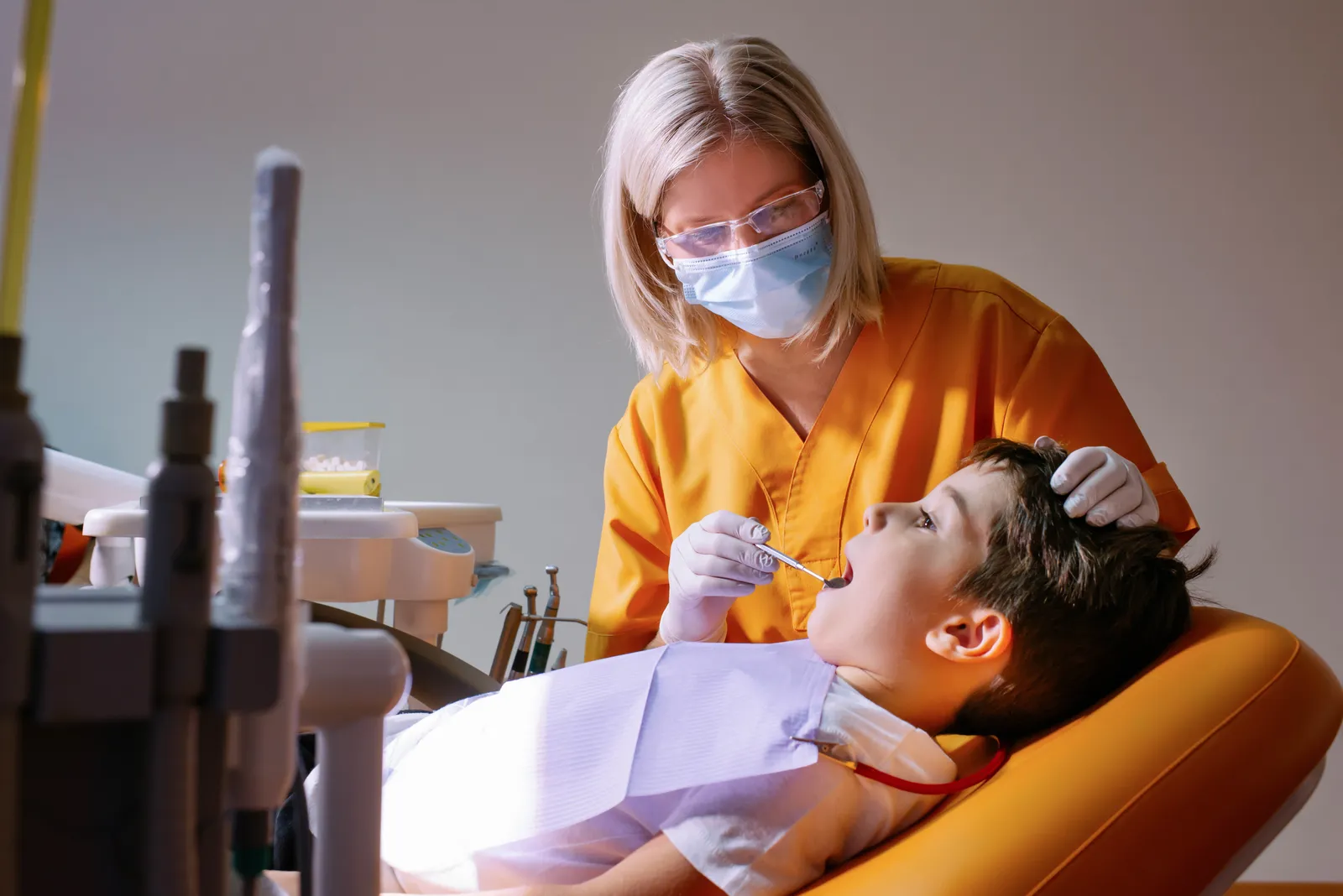
Electronic anaesthesia is completely suitable and ideal for children because it offers a painless, less stressful experience. Children are often afraid of injections and conventional anaesthesia, which can make them anxious before and during treatment.
With electronic anaesthesia, the process is more pleasant because needles are not used. The device is small and discreet, which strengthens children’s trust in the paediatric dentist. In addition, the anaesthetic is delivered only at the treatment site, reducing numbness elsewhere in the mouth, a sensation children often find uncomfortable.
5. Which treatments is it used for?
Electronic anaesthesia can be used in many paediatric dental treatments, including:
- Fillings: It ensures that treatment is painless, particularly in cases of small or moderate cavities.
- Root canal treatments: It provides targeted anaesthesia for treatments requiring deeper intervention.
- Tooth extractions: It ensures that the area is fully anaesthetised without the discomfort caused by conventional methods.
- Cleanings and minor procedures: It is used to reduce children’s sensitivity during treatments that may feel uncomfortable.
The versatility of electronic anaesthesia makes it valuable across a wide range of treatments while helping to create a positive experience for children.
6. Our approach at the clinic
At our clinic, we place particular importance on using modern technologies such as electronic anaesthesia when caring for children. Our aim is to provide an experience that is as comfortable, painless and child-friendly as possible.
The process is carried out carefully so that every child feels safe and calm. We explain the steps simply and clearly to both children and parents, strengthening their confidence in the treatment.
We use electronic anaesthesia in treatments that require precision and a painless approach, with an emphasis on personalised care. With this technology, we create a positive image of dentistry, helping children gain confidence and build healthy oral-care habits.
8. The value of electronic anaesthesia in paediatric dentistry
Electronic anaesthesia is an innovative approach that changes the way children experience dental treatment. By focusing on comfort, precision and a painless experience, it helps create a friendly environment in which children feel safe and relaxed.
Using this technology, we provide high-quality treatment focused on the child’s care and well-being. Electronic anaesthesia is not simply a method, but a commitment to a better experience and long-term confidence in oral healthcare.
9. Book an appointment with us today
At our clinic, the use of electronic anaesthesia is part of our commitment to modern, painless and effective care. Our experienced team is here to ensure that every treatment is a positive experience for your child.
Call us today to arrange an appointment and learn more about electronic anaesthesia and our treatments. Together, we can create a healthy, bright smile for your child.