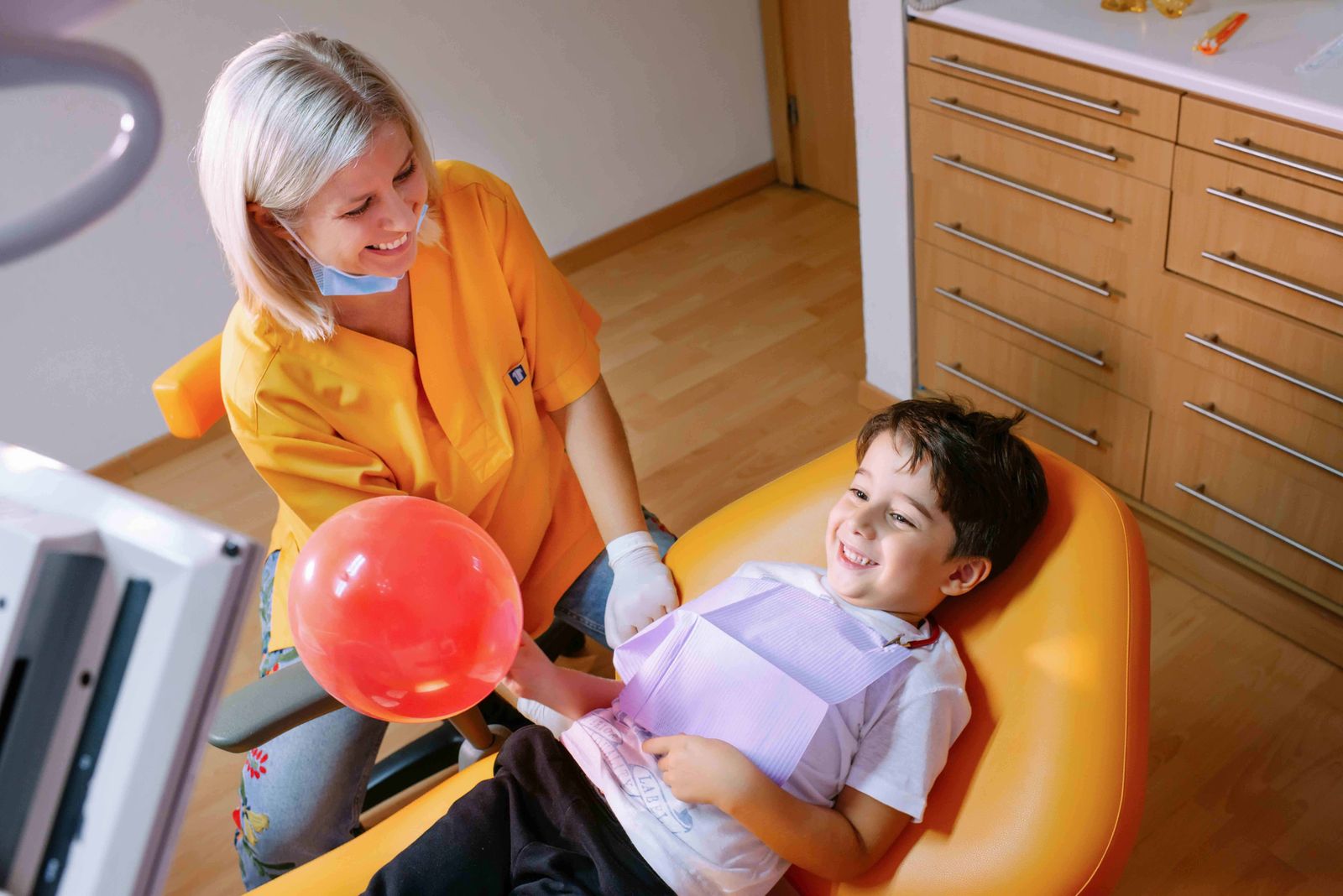
1. What is preventive orthodontics?
Preventive orthodontics is a branch of orthodontics that focuses on early intervention to avoid or reduce the severity of future orthodontic problems. Instead of correcting problems that have already developed, it seeks to prevent them through specialised techniques and appliances.
Its aims include proper jaw development, preserving space for the permanent teeth and preventing serious misalignments that may require extensive treatment later. Put simply, preventive orthodontics acts as an investment in a child’s dental health, supporting better oral function and appearance.
2. Why is preventive orthodontics important?
Preventive orthodontics plays a decisive role in the proper development of the mouth and teeth. Identifying and treating problems early can prevent more serious and costly orthodontic problems in the future.
For example, if a child has a narrow jaw, preventive orthodontics can help widen it so that the permanent teeth have enough room to fit correctly. Early intervention can also correct habits such as thumb-sucking or mouth breathing, which adversely affect oral development.
Most importantly, prevention helps children develop a natural, functional set of teeth that supports their self-confidence and general health.
Table: Preventive vs conventional orthodontics
| Feature | Preventive orthodontics | Conventional orthodontics (braces) |
|---|---|---|
| Age | 6–10 years (mixed dentition) | 12+ years (permanent teeth) |
| Aim | Guide jaw growth and create space | Move teeth into the correct positions |
| Duration | Usually shorter (months) | Usually longer (1–2 years) |
| Complexity | Mild intervention | More complex treatment |
3. Which children need preventive orthodontics?
Preventive orthodontics is not necessary for every child, but it is extremely useful when specific signs are present. Parents should look out for:
- Crooked or crowded teeth.
- Habits such as thumb-sucking, tooth grinding or mouth breathing.
- Difficulty chewing or speaking.
- An asymmetrical jaw or bite.
A first orthodontic visit is recommended at around 6–7 years of age, when the first permanent teeth appear. This allows the specialist to identify any problems and plan the appropriate treatment. With early intervention, most problems can be managed easily and effectively.
4. What does preventive orthodontics involve?
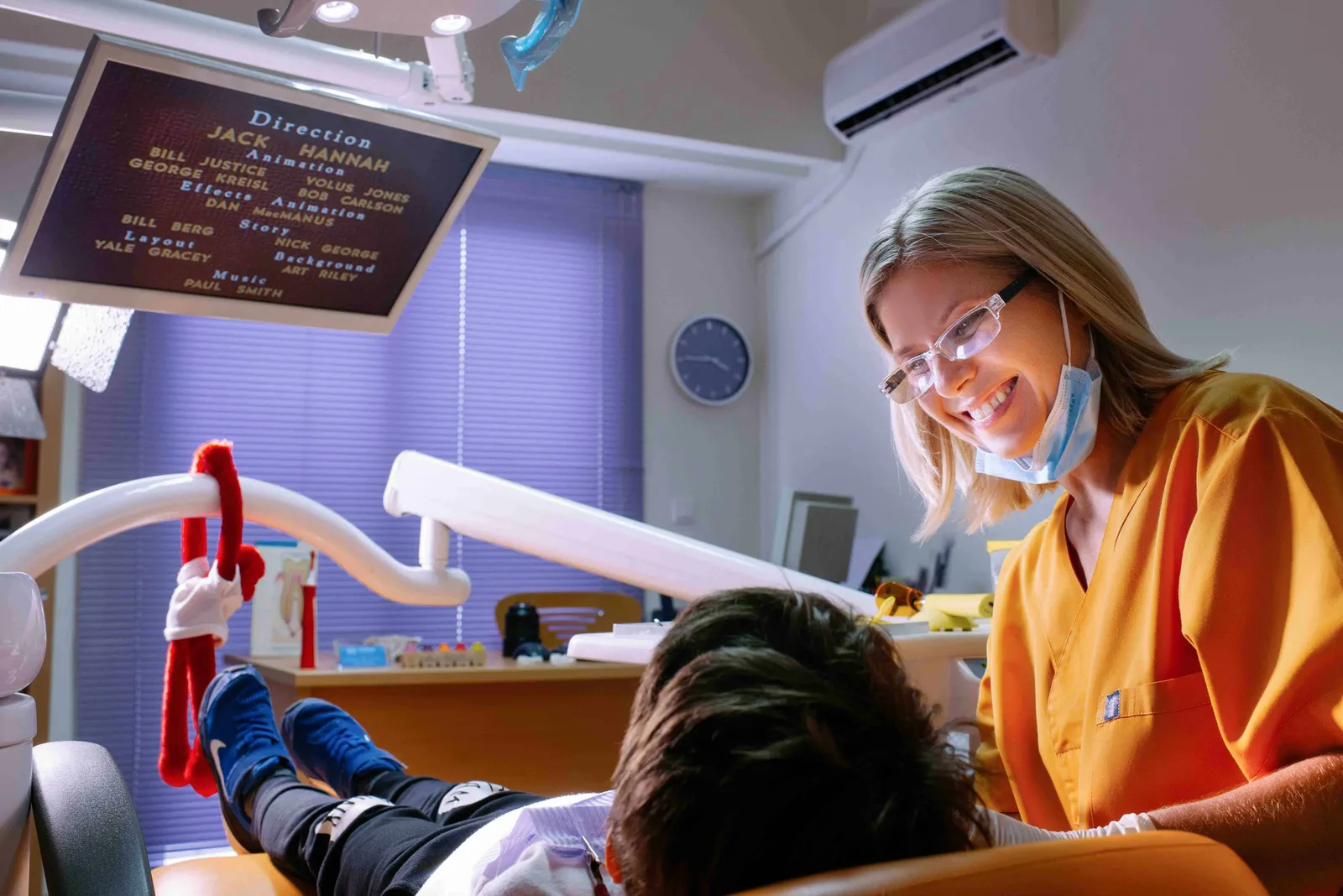
Preventive orthodontics uses various methods and appliances to guide the proper development of the teeth and jaw. These include:
- Growth-guidance appliances: Specially designed appliances that help position the teeth correctly and align the jaw. They are used to help ensure that the permanent teeth erupt in the correct positions.
- Removable appliances: These appliances can be worn for a specific period, such as at night, and help preserve or create the space the teeth need.
- Exercises and other treatments: In some cases, treatment may include simple exercises to strengthen the jaw muscles or stop harmful habits such as thumb-sucking.
These interventions are painless and designed to be as comfortable as possible for children.
5. Monitoring and treatment
Preventive orthodontics begins with an initial assessment by the orthodontist. Impressions and X-rays are taken to examine the structure of the jaw and the development of the teeth. A personalised treatment plan is then prepared on the basis of the findings.
Visits are usually scheduled every 4–6 weeks so that progress can be monitored and the appliances or approach adjusted if necessary. The length of treatment depends on the complexity of the problem, but it usually lasts from a few months to a year.
Monitoring is essential to ensure that treatment achieves the best possible result and that the teeth develop and align correctly.
6. Our approach at our dental practice for children in Glyfada
At our practice, preventive orthodontics is based on personalised care tailored to each child’s needs. From the first visit, we make sure to create a friendly environment where children feel comfortable and safe.
We use modern technology to identify orthodontic problems early and plan the appropriate treatments. At the same time, we work closely with parents, providing clear instructions and support for the best possible care at home.
Our team is here to guide every child through a process that is effective, comfortable and tailored to their needs, helping them achieve a healthy and beautiful smile.
8. The importance of early prevention
Preventive orthodontics is a valuable tool for supporting the proper development of the teeth and jaw. Early intervention can prevent more serious problems, saving the time, effort and cost of more extensive treatment in the future.
Prevention also helps children achieve a beautiful smile that strengthens their self-confidence, while supporting their overall health and well-being. Cooperation between parents and orthodontists is the key to creating a healthy mouth and ensuring the best possible quality of life for children.
Book an appointment with us today
Contact us today to arrange a visit and assess whether your child needs preventive orthodontic care. Our team is here to guide you through every step of the process, helping your child achieve a healthy, bright smile. Call us now for more information.